
How to Choose 3G Bowling Shoes Left Handed: Slide Sole Placement and Performance Factors
Left-handed bowlers face a distinct challenge when shopping for performance footwear: most universal bowling shoes place the slide sole on the left foot, which works perfectly for right-handers but leaves lefties dragging a traction sole through their delivery. We build our 3g bowling shoes left handed configurations with the slide sole on the right foot, matching the mechanics of a left-handed approach.
Choosing the correct shoe goes beyond simply flipping the sole layout. Break-in periods differ between feet, heel counter stiffness affects balance during the pushaway, and even lace tension needs adjustment to account for which leg absorbs the majority of your momentum at the line. This guide walks through the performance factors that matter when you’re shopping for a left-hand-specific design.
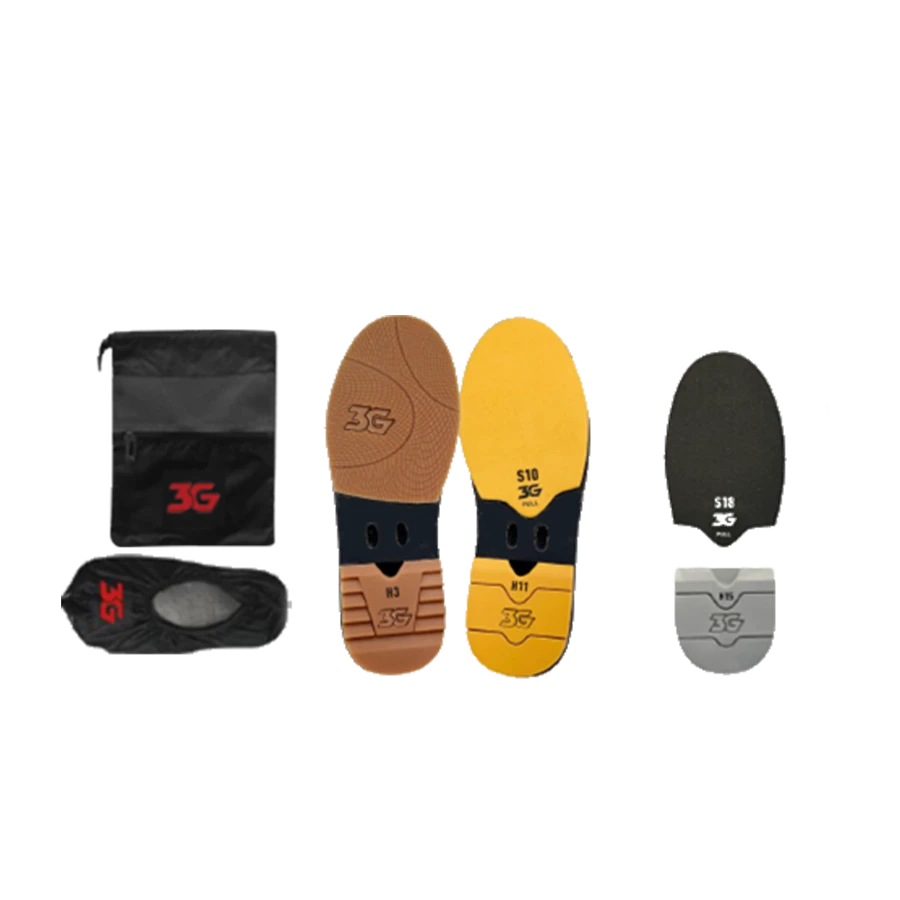
Slide Sole Placement: Why It Must Match Your Delivery Hand
A right-handed bowler plants the left foot at the foul line while the right leg trails behind, so the left shoe carries the slide sole and the right carries traction. Left-handers reverse this sequence: the right foot plants and slides, the left foot brakes.
Universal or ambidextrous models try to solve this with interchangeable slide pads, but adhesive-backed pads add stack height under the ball of the foot and create an uneven surface that changes how weight transfers during the final step. A factory-built left-hand shoe integrates the slide material into the outsole itself, maintaining a flat, consistent profile from heel to toe.
Break-In Asymmetry
Your sliding foot flexes differently than your plant foot. The shoe on your right foot bends at the ball with every approach, softening the upper and creasing the vamp within the first few games. The left shoe remains relatively stiff because it only stabilizes your trailing leg. If you’re rotating between two pairs, the right shoe will always feel more broken-in than the left, even when purchased on the same day.
Traction Sole Durability on the Non-Slide Foot
The left shoe in a left-handed pair absorbs most of the approach’s forward energy when you decelerate at the line. Rubber traction soles wear faster on this foot than on the slide foot, and the wear pattern concentrates along the outside edge if your trailing leg crosses behind your body during follow-through.
Leather traction soles last longer than rubber but offer less grip on synthetic approaches, especially when the surface is freshly dressed. Bowlers who compete in multiple centers often carry a second left shoe with a different traction sole to adapt to varying lane conditions. The Forbidden Pants staff have observed that bowlers who maintain consistent traction across venues tend to keep spare soles rather than spare complete pairs.
Heel Counter Support
The heel counter on your sliding shoe needs enough rigidity to prevent the foot from rolling inward as you release the ball, but not so much stiffness that it restricts ankle flexion during the pushaway. Left-hand models sometimes use a lower-cut counter on the right shoe to allow deeper knee bend without the collar digging into the Achilles tendon.
Lace Tension and Medial Arch Pressure
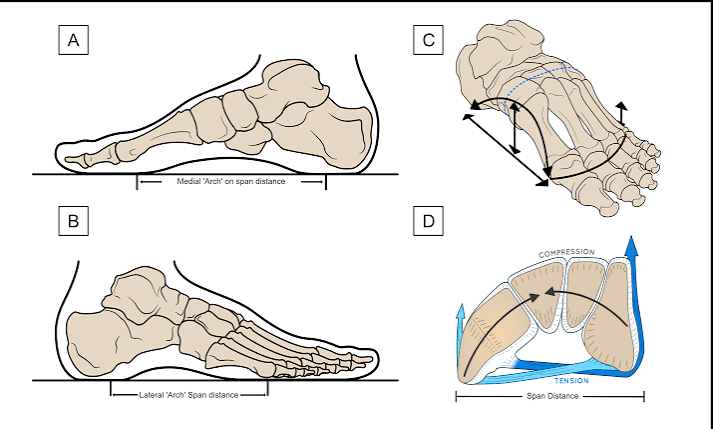
Most bowlers tie both shoes to the same tension out of habit, but the sliding foot benefits from looser lacing across the forefoot to let the ball of the foot flatten during weight transfer. Over-tightening the slide shoe compresses the metatarsal arch and prevents the natural spreading motion that distributes impact force at the line.
The traction shoe, by contrast, should be snugged firmly through the midfoot eyelets to lock the heel in place and prevent the foot from shifting inside the shoe during your crossover steps. A loose traction shoe allows the foot to slide forward on the insole, which shortens your effective stride length and changes your timing at the release point.
Bowlers with high arches sometimes add a thin orthotic under the slide foot to prevent the arch from collapsing inward when the knee flexes, but the same insert in the traction shoe can create pressure points along the medial edge that become painful after a three-game block.
Sizing Consistency Across Left-Hand Models
Shoe manufacturers build left-hand models on the same lasts as their right-hand versions, so sizing remains consistent within a product line. A size 10 right-hand shoe and a size 10 left-hand shoe share the same internal dimensions; only the sole configuration differs.
However, width availability varies. Some brands only produce left-hand shoes in standard D width, forcing bowlers with wide feet to size up a half-size and add heel pads to prevent slippage. If your right foot measures wider than a D, confirm that the model you’re considering offers wide sizing in left-hand configurations before ordering.
Break-in time also stays the same. A synthetic upper requires roughly 10-15 games to soften and conform to your foot shape, regardless of which foot carries the slide sole. Leather uppers take longer but mold more precisely to individual foot contours.
Matching Footwear to Your Natural Delivery Mechanics
Left-handed bowlers who invest in purpose-built footwear eliminate the compromises inherent in universal or interchangeable-sole designs. A factory slide sole on the right foot maintains consistent stack height, integrates seamlessly with the outsole, and performs the same way across every approach surface you encounter.
Pay attention to break-in differences between your sliding and traction feet, adjust lace tension independently for each shoe, and monitor traction sole wear on your left foot more closely than your right. The United States Bowling Congress provides additional equipment specifications and competition guidelines that apply to all footwear, regardless of hand orientation. When your shoes match the mechanics of your delivery, you remove one more variable from the equation and let your natural game take over.
Common Questions About Left-Handed Bowling Footwear
Swapping insoles does not change which foot has the slide sole. The slide material is molded into the outsole itself, not the removable footbed.
Interchangeable slide pads stick to the bottom of a universal shoe, but they add thickness under the ball of the foot and change your height relative to the approach. A factory slide sole maintains the same stack height as the traction sole on the opposite shoe.
Left-hand models typically carry the same retail price as right-hand models within the same product line. Manufacturing costs remain identical because the upper construction and materials do not change.
Some retailers stock fewer left-hand pairs, which can make them harder to find on clearance or discount. Ordering directly from the manufacturer often provides the widest selection of left-hand sizes and widths at standard pricing.
Slide soles wear based on approach surface and your slide length, not a fixed game count. Bowlers who slide six to eight inches will go through a sole faster than those who plant and release with minimal glide.
Inspect the slide sole after every 50 games. If you see exposed stitching, uneven wear that creates a lip at the toe, or a glossy polished surface that no longer grips the approach consistently, it is time to replace the sole or the shoe.
No. A right-handed bowler needs the slide sole on the left foot, not the right. Reversing the sole layout forces you to drag a traction sole through your slide, which stops your momentum abruptly and throws off your timing.
If you want more control over your slide, choose a slide sole with a higher friction coefficient rather than switching to a traction sole on the wrong foot.
USBC rules do not mandate specific footwear for left-handed bowlers. You can compete in universal shoes with interchangeable slide pads as long as both shoes meet the league or tournament dress code.
However, most competitive left-handers prefer a factory slide sole for the consistency it provides across varying approach conditions.
Some manufacturers sell individual left-hand or right-hand shoes for bowlers who want to mix models, but this practice is uncommon in the mid-price range. Mismatched shoes often differ in stack height, which creates an uneven stance and affects balance at the line.
If you need a replacement for a damaged shoe, contact the original manufacturer first to confirm that the model is still in production and that a single shoe can be ordered.